Renovate Smarter: Beautiful Spaces Without the Bin
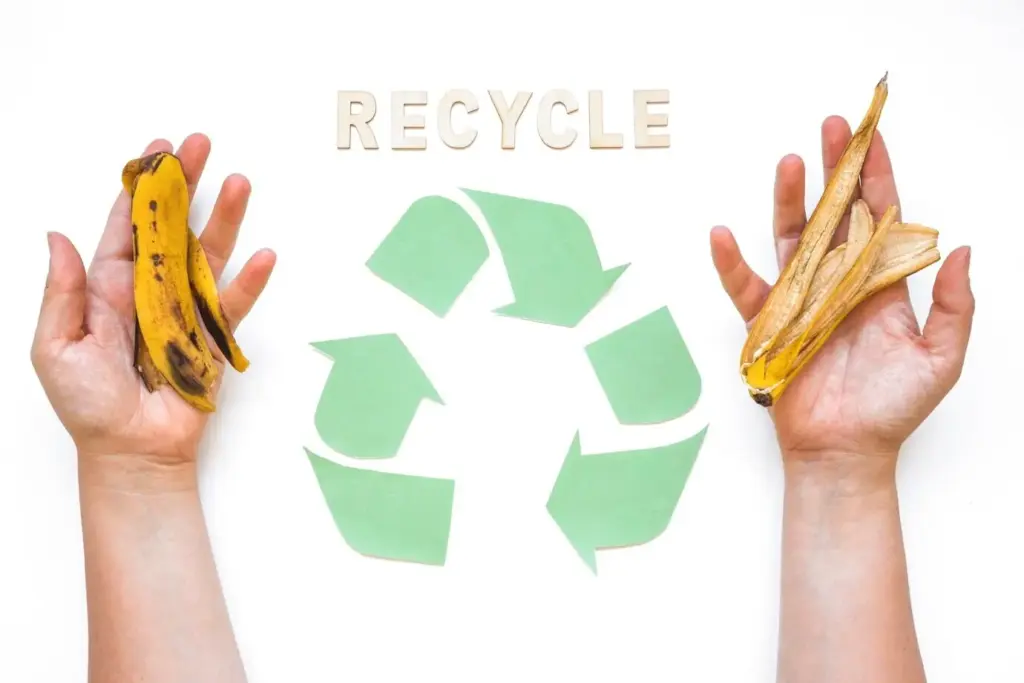
Today we dive into waste‑free kitchen and bathroom renovation strategies, turning ambitious upgrades into planet‑kind transformations without sacrificing style or function. From careful deconstruction and material audits to circular sourcing, modular builds, and durable finishes, you’ll find practical steps supported by real stories. In one recent remodel, mindful planning diverted over ninety percent of debris, saved cabinet costs, and won neighbors’ admiration. Join in, share your own progress, and help others discover what truly responsible remaking can look like.

Room‑by‑Room Material Audit

Walk each space and list everything with precision: cabinets, countertops, appliances, plumbing fixtures, tile, hardware, lighting, and trim. Note condition, dimensions, brands, and probable reuse avenues. Photograph items, tag them, and create a simple spreadsheet that tracks destination, pickup timing, and responsible parties. This calm cataloging avoids rushed landfill decisions when schedules tighten. It also reveals hidden value—like solid wood drawer boxes or vintage pulls—that can be revived on site or donated to eager DIYers.

Deconstruction Scheduling

Replace the smash‑and‑haul approach with a gentle, ordered sequence. First soft‑strip doors, drawers, lighting, and fixtures; then remove countertops, appliances, and cabinets; finally lift flooring or wall surfaces, preserving substructures when possible. Book reuse partners early so donations move out the same day. Expect a modest time premium that often pays back through avoided disposal fees and retained materials. Homeowners report less dust, fewer surprises, and an almost ceremonial respect for what’s leaving and what lives on.

Stakeholder Buy‑In

Share the plan with your contractor, trades, neighbors, building manager, and donation partners. Clarify access hours, elevator protection, parking, and staging areas for salvaged materials. Invite crews to suggest reuse ideas; installers often know clever second‑life options. Post simple signage for sorting streams and appoint someone to monitor compliance. When everyone understands why the process matters—lower costs, safer air, community benefit—participation rises. The cultural tone you set here will echo throughout design choices and daily site decisions.

Source Materials with a Second Life

High‑quality kitchens and baths thrive on imaginative sourcing. Blend salvaged finds with recycled‑content products, and prioritize local suppliers to cut packaging and transport impacts. Architectural salvage yards, online marketplaces, and nonprofit reuse stores offer doors, sinks, stone remnants, and rare hardware. Recycled glass counters, composite slabs with verified content, and porcelain tiles from closed‑loop factories add durability and character. Confirm safety and warranties, then celebrate patina where appropriate. With patience, reclaimed pieces provide stories new items cannot buy.

Build for Disassembly and Repair

Design with the next update in mind. Favor systems that unscrew instead of pry, and surfaces that can be repaired in place. Standardize dimensions so components swap easily. Use access panels for valves, traps, and filters, and leave clear service corridors behind appliances. Detail edges and transitions that tolerate movement and touch‑ups. By planning reversibility, you transform future changes from demolition events into simple adjustments. The space stays flexible, valuable, and remarkably calm through years of family life and evolving tastes.

Healthy Finishes and Durable Details

Low‑VOC, High‑Performance Coatings

Look for third‑party certifications and published VOC numbers for primers, enamels, and sealers. Waterborne acrylic alkyds offer hard, scrub‑resistant finishes on cabinets and trim without the solvent smell. In wet rooms, favor moisture‑tolerant products with mold resistance and documented abrasion ratings. Ventilate during curing and store a small labeled can for touch‑ups. The right coating schedule protects substrates from swelling and chips, saving entire panels from early disposal. Clean air, clean lines, and long life reinforce each other beautifully.

Timeless, Repairable Aesthetics

Select a palette that survives trend cycles: restrained neutrals, warm metals, and honest textures. Let personality arrive through easily swapped elements—textiles, open‑shelf displays, or reversible hardware. Specify large‑format tile only where access permits safe handling and future replacement; elsewhere, mid‑sizes ease repairs. Choose handles with standard hole spacing and keep a template on file. When aesthetics invite repair rather than replacement, homeowners gain freedom to evolve gradually, avoiding the waste spiral triggered by short‑lived statements that demand full overhauls.

Grout, Sealant, and Caulk Strategies

Durability often hides in lines and joints. Epoxy grout in heavy‑use zones resists stains and needs fewer re‑applications, while high‑quality cement grout shines in low‑stress areas. Choose color‑matched silicone for expansion joints and maintain a simple inspection routine. Where possible, incorporate profiles at exposed edges to prevent chip repairs. Store labeled tubes for future touch‑ups, noting batch numbers. These humble decisions prevent moisture intrusion, keep finishes pristine, and dramatically delay the kind of failures that push otherwise solid assemblies toward premature disposal.

Water, Energy, and Appliance Smarts

Resource efficiency is waste reduction you can feel on every bill. Modern fixtures and appliances use less water and electricity while performing better than older models. WaterSense showerheads and faucets reduce demand without sacrificing comfort. Induction cooktops cut heat loss and keep kitchens cooler. ENERGY STAR dishwashers sip water and clean more effectively than hand‑washing. Specify replaceable parts and serviceable filters to extend life. By choosing wisely now, you prevent future swaps and the hidden waste streams they generate.

Deconstruction, Donation, and Recycling

When something must leave, let it exit gracefully. Deconstruction keeps materials intact and safe for second lives; donation strengthens local communities while saving disposal fees. Recycling streams accept metals, cardboard, gypsum, and sometimes porcelain. Keep contamination low with clear labels and supervised sorting. Photograph transfers for records and tax purposes. According to U.S. reports, construction and demolition debris tops hundreds of millions of tons annually, yet more than half is recoverable. Your project can model a better path and inspire neighbors to follow.

Soft‑Strip Deconstruction Guide

Begin with power off and protective gear on. Remove doors, hardware, and fixtures carefully, taping screws to their pieces. Score caulk lines before prying, and use broad pry bars with blocking to protect surfaces. Release countertops from brackets and carry vertically to avoid cracks. Stack items on moving blankets and wrap fragile parts in reusable pads. Keep pathways clear and vacuum along the way. This mindful choreography prevents breakage, keeps donors happy, and preserves value that aggressive demolition would destroy in minutes.

Donation That Makes a Difference

Coordinate with organizations that accept cabinets, sinks, lighting, solid‑core doors, and surplus tile. Ask about pickup schedules, item conditions, and documentation for tax receipts. Clean thoroughly and include manuals or mounting hardware. Share a photo and short story about each piece’s history; buyers love provenance. Donated goods become affordable upgrades for neighbors, while nonprofits fund housing programs and job training. The emotional reward is real, and the practical benefit is less landfill volume and a tidier site that moves forward smoothly.

Sorting to Avoid Contamination

Set up clearly labeled bins for metals, clean wood, cardboard, plastic film, and mixed debris. Keep gypsum separate to prevent damaging composting or wood recycling streams. Flatten boxes immediately and return pallets whenever suppliers allow. Ask your hauler which streams earn rebates and which require special handling. A few signs and routine checks are enough to avoid costly contamination fees. Effective sorting transforms cleanup into a quiet, predictable rhythm that diverts surprising tonnage and proves sustainability can feel organized and easy.
Lanakanalelo
Privacy Overview

This website uses cookies so that we can provide you with the best user experience possible. Cookie information is stored in your browser and performs functions such as recognising you when you return to our website and helping our team to understand which sections of the website you find most interesting and useful.